Introduction to Heavy Industry
Definition and Scope
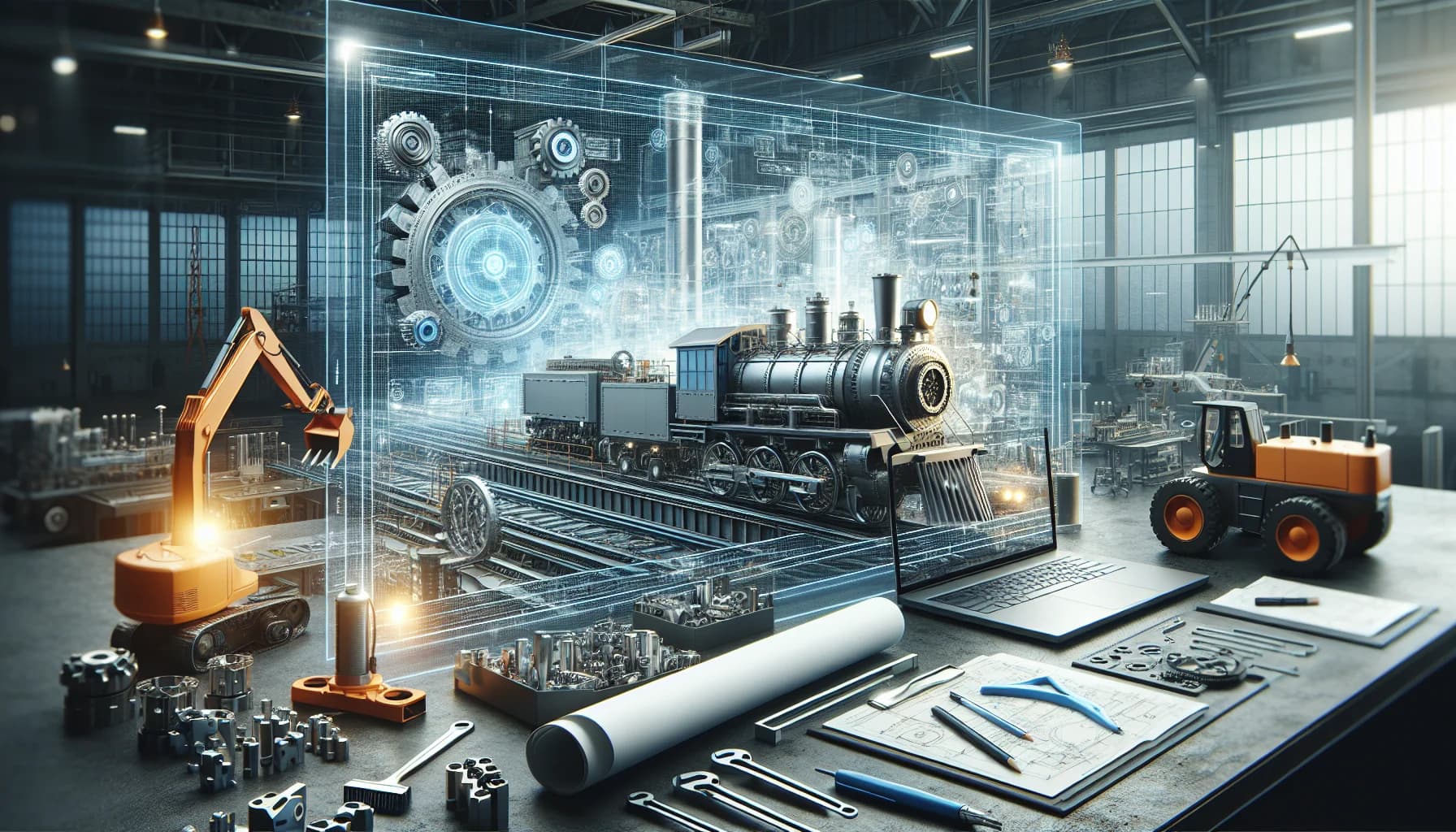
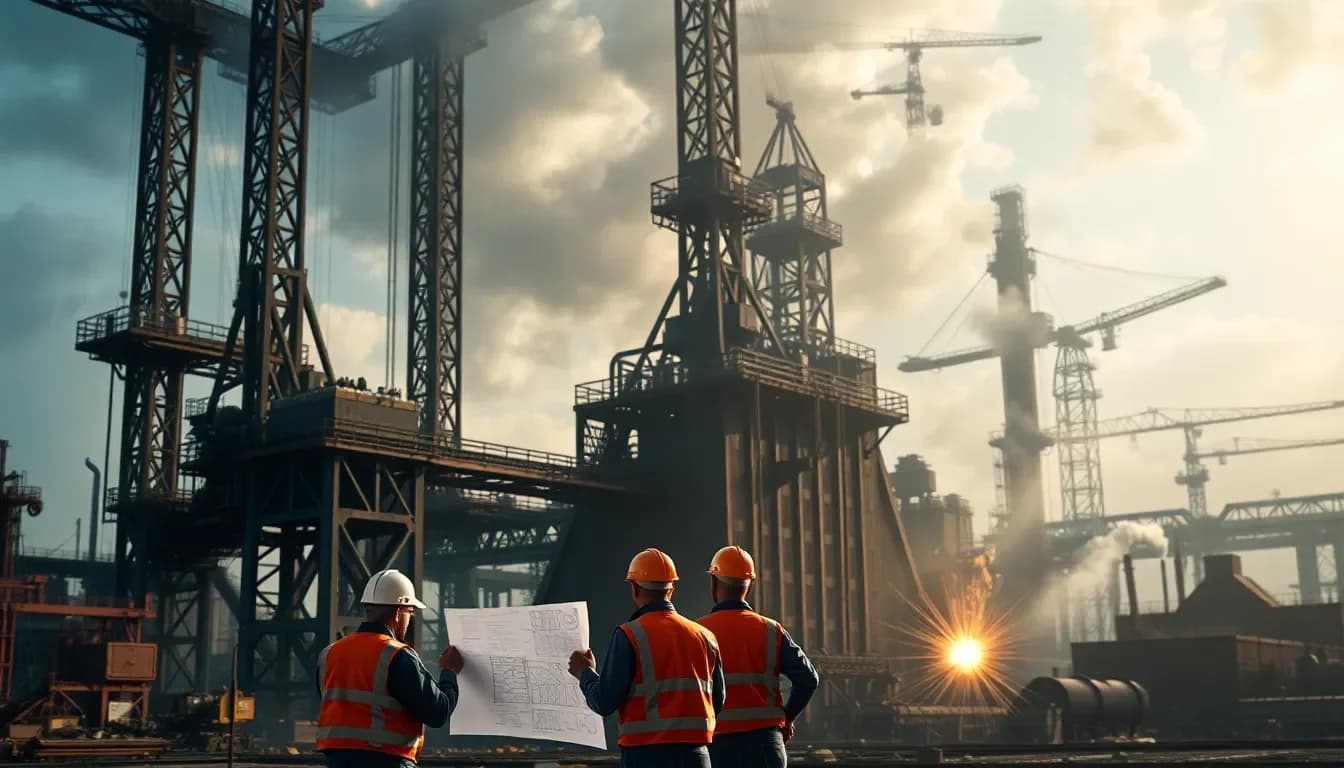
Heavy industry refers to the sector of the economy that focuses on the production of large and heavy products or the manufacture of machinery and equipment that are used in the production of goods. This sector is characterized by high capital intensity, heavy machinery, and significant energy consumption. It encompasses a variety of industries, including but not limited to, manufacturing, construction, mining, and chemical production. Heavy industry plays a crucial role in the overall economy, providing the foundational materials and machinery necessary for other sectors.
Historical Development
The roots of heavy industry can be traced back to the Industrial Revolution in the late 18th century, which marked a significant shift from agrarian economies to industrialized ones. The invention of steam engines and advancements in metallurgy facilitated the growth of industries such as iron and steel production. Over the decades, heavy industry evolved with technological innovations and expanded to include diverse sectors such as shipbuilding, automotive manufacturing, and aerospace engineering. The post-World War II era saw a boom in heavy industry, particularly in countries like the United States, Germany, and Japan, which became global leaders in manufacturing and engineering.
Importance in the Economy
Heavy industry is vital to economic development for several reasons:
- Job Creation:Heavy industry generates millions of jobs worldwide, often providing high-paying positions in skilled labor.
- Infrastructure Development:It lays the groundwork for infrastructure projects, including transportation systems, energy production, and urban development.
- Supply Chain Backbone:Heavy industries supply essential materials and machinery to various sectors, such as construction and automotive, thus supporting the entire economic structure.
- Technological Advancement:It drives innovation in engineering and technology, contributing to advancements that benefit multiple industries.
Key Sectors of Heavy Industry
Manufacturing and Production
The manufacturing and production sector is the cornerstone of heavy industry, focusing on the transformation of raw materials into finished products. This includes:
- Steel Manufacturing:Steel is fundamental for construction, automotive, and aerospace industries.
- Machinery Production:Manufacturing equipment, such as turbines and engines, is crucial for various applications.
- Shipbuilding:The construction of ships and marine vessels is a critical component of global trade and defense.
Construction and Infrastructure
The construction and infrastructure sector is heavily reliant on heavy industry for the materials and machinery required to build and maintain structures. Key aspects include:
- Heavy Machinery:Equipment like cranes, bulldozers, and excavators are essential for construction projects.
- Materials Supply:The industry provides concrete, steel, and other materials vital for building infrastructure such as roads, bridges, and buildings.
- Urban Development:Heavy industry supports urbanization through the construction of residential, commercial, and industrial spaces.
Mining and Resource Extraction
The mining and resource extraction sector involves the extraction of natural resources, including minerals, metals, and fossil fuels. This sector is pivotal for heavy industry as it supplies essential raw materials:
- Mineral Extraction:Mining for metals such as copper, iron, and gold is fundamental for manufacturing.
- Oil and Gas:These resources fuel industries and are integral in the production of chemicals and plastics.
- Environmental Considerations:The sector faces scrutiny regarding its impact on the environment, leading to a push for sustainable practices.
Engineering Principles in Heavy Industry
Design and Innovation
Effective design and innovation are critical in heavy industry, influencing efficiency, sustainability, and safety. Key principles include:
- Design for Manufacturability (DFM):Ensuring that products are designed with manufacturing processes in mind to optimize production efficiency.
- Product Lifecycle Management (PLM):Managing a product's lifecycle from inception to disposal can enhance sustainability and reduce costs.
- Innovation in Materials:Developing new materials that are stronger, lighter, and more sustainable can revolutionize manufacturing.
Materials Science and Engineering
Materials science is crucial in heavy industry, affecting product performance and durability. Key areas of focus include:
- Metallurgy:The study and application of metals, including steel alloys and composites, are fundamental in manufacturing.
- Polymer Science:Understanding polymers is essential for industries such as automotive and aerospace, where lightweight materials are required.
- Composite Materials:Innovations in composites can lead to stronger, lighter, and more efficient products.
Safety and Regulatory Standards
Safety is paramount in heavy industry due to the potential hazards involved in manufacturing and construction. Important considerations include:
- Regulatory Compliance:Adhering to regulations such as OSHA in the U.S. ensures workplace safety.
- Risk Management:Identifying potential risks and implementing effective safety protocols can prevent accidents.
- Training and Education:Continuous training for workers is essential to maintain safety standards and awareness.
Technological Advancements
Automation and Robotics
Automation and robotics are revolutionizing heavy industry, leading to increased efficiency and reduced labor costs. Key impacts include:
- Increased Productivity:Automated systems can operate continuously, enhancing production rates.
- Precision and Quality:Robotics ensure consistent quality in manufacturing processes.
- Workforce Safety:Robots can perform dangerous tasks, reducing workplace injuries.
Digitalization and Industry 4.0
The advent of Industry 4.0, characterized by the integration of digital technologies, is transforming heavy industry. Key elements include:
- Internet of Things (IoT):Connecting machinery and equipment to the internet allows for real-time data analysis and predictive maintenance.
- Big Data Analytics:Analyzing vast amounts of data can lead to improved decision-making and operational efficiency.
- Smart Manufacturing:The use of AI and machine learning in manufacturing processes can optimize production and reduce waste.
Sustainability and Environmental Impact
Sustainability is becoming increasingly important in heavy industry, driven by regulatory pressures and public opinion. Key considerations include:
- Energy Efficiency:Implementing energy-efficient practices can significantly reduce operational costs and environmental impact.
- Waste Reduction:Developing strategies for minimizing waste during production is crucial for sustainability.
- Renewable Resources:Exploring alternative materials and energy sources can help reduce reliance on fossil fuels.
Future Trends and Challenges
Globalization and Market Dynamics
The globalization of markets presents both opportunities and challenges for heavy industry. Key trends include:
- Increased Competition:Global players have access to markets, leading to intensified competition.
- Supply Chain Complexity:Global supply chains can be disrupted by geopolitical tensions or natural disasters, necessitating greater resilience.
- Cross-border Collaboration:Collaborations and partnerships are essential for innovation and market expansion.
Workforce Development and Skills Gap
As heavy industry evolves, so does the need for a skilled workforce. Challenges include:
- Skills Shortage:Rapid technological advancements are creating a skills gap, as workers may not be trained for new technologies.
- Training Programs:Investing in training and development programs is essential to equip workers with the necessary skills.
- Attracting Talent:The industry must appeal to younger generations by highlighting career opportunities and advancements in technology.
Impact of Climate Change on Heavy Industry
Climate change poses significant challenges for heavy industry, necessitating adaptation and mitigation strategies:
- Regulatory Changes:Stricter environmental regulations will require industries to adopt more sustainable practices.
- Resource Scarcity:Climate change may affect the availability of natural resources, impacting production processes.
- Investment in Sustainability:Companies will need to invest in sustainable technologies and practices to remain competitive and compliant.