Introduction to Heavy Industry and Engineering
Definition and Scope
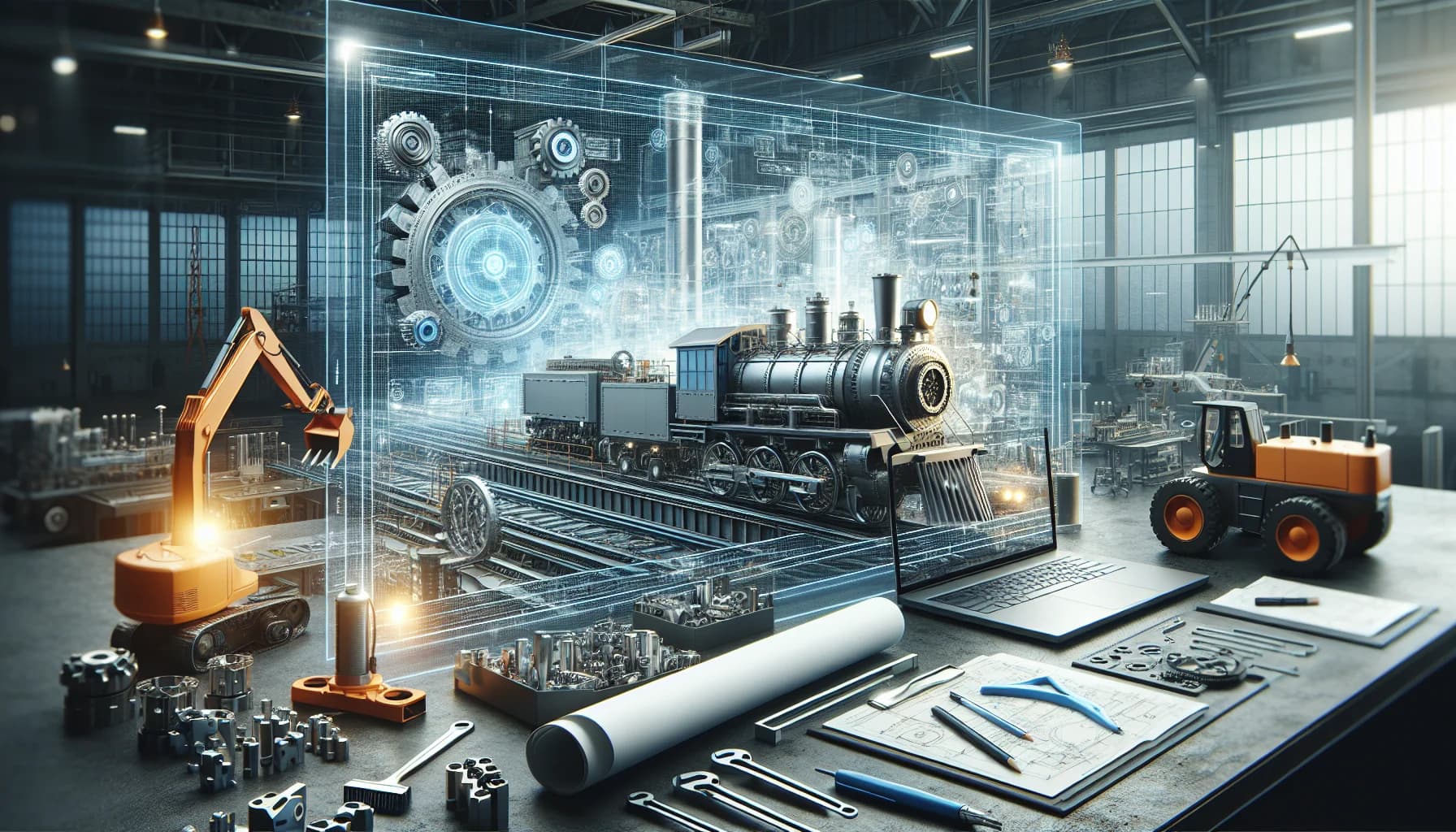
Heavy industry refers to the sector of the economy that involves large-scale production, manufacturing, and construction activities. It encompasses industries that produce heavy machinery, construction materials, and large structures, which are essential for infrastructure development and economic growth. This sector includes manufacturing processes that require significant capital investment, specialized knowledge, and skilled labor.
The scope of heavy industry is broad, consisting of various sub-sectors such as manufacturing, construction, mining, and energy production. Each of these areas plays a crucial role in providing the foundational elements necessary for a functioning economy and the advancement of engineering technologies.
Historical Overview
The roots of heavy industry can be traced back to the Industrial Revolution in the late 18th century. This period marked a significant transition from agrarian economies to industrialized societies. Innovations like the steam engine and advancements in metallurgy paved the way for large-scale manufacturing processes.
Throughout the 19th and 20th centuries, heavy industry continued to evolve with the introduction of electric power, assembly line production, and advanced engineering methodologies. The post-World War II era saw a boom in construction and manufacturing, particularly in Western economies, leading to the establishment of industrial giants.
Today, heavy industry is characterized not only by its historical significance but also by its ongoing evolution amidst technological advancements and global economic changes.
Importance in Modern Economy
Heavy industry plays a vital role in the modern economy for several reasons:
- Job Creation:The sector provides millions of jobs worldwide, encompassing a range of skill levels from unskilled labor to highly specialized engineering roles.
- Infrastructure Development:Heavy industry is integral to building and maintaining infrastructure, such as roads, bridges, and buildings, which are essential for societal functioning.
- Economic Growth:By producing goods and materials needed in various sectors, heavy industry contributes significantly to overall economic growth and stability.
- Technological Innovations:The sector drives technological advancements that lead to enhanced productivity and efficiency across different industries.
Key Sectors of Heavy Industry
Manufacturing
Manufacturing is one of the most prominent sectors of heavy industry, focusing on producing large quantities of goods using machinery and labor. This sector includes the production of automobiles, machinery, aerospace components, and consumer goods.
Key characteristics of manufacturing in heavy industry include:
- Large-scale Production:Factories often operate continuously to meet high demand, utilizing assembly lines and automated processes.
- Capital Intensity:Manufacturing facilities require significant investments in machinery, technology, and infrastructure.
- Skilled Workforce:A diverse range of skilled professionals, from engineers to machine operators, are essential for manufacturing processes.
Construction
The construction sector is another cornerstone of heavy industry, encompassing the building of residential, commercial, and industrial structures. This sector is crucial for urban development and infrastructure enhancement.
Important aspects of the construction industry include:
- Project Management:Large construction projects require meticulous planning, coordination, and execution to meet deadlines and budgets.
- Safety Regulations:The construction industry is subject to strict safety regulations to protect workers and ensure compliance with legal standards.
- Material Sourcing:Construction relies heavily on materials produced by heavy industry, such as steel, cement, and timber.
Mining and Extraction
Mining and extraction involve the removal of natural resources such as metals, minerals, and fossil fuels from the earth. This sector is pivotal for supplying raw materials needed in manufacturing and energy production.
Key considerations in mining and extraction include:
- Resource Management:Effective management of natural resources is essential to ensure sustainability and minimize environmental impact.
- Technological Integration:Advanced technologies, including automation and data analytics, are increasingly utilized to enhance extraction efficiency.
- Economic Impact:The mining sector can significantly influence local and national economies, providing jobs and contributing to GDP.
Technological Advancements
Automation and Robotics
Automation and robotics have transformed heavy industry, streamlining processes and increasing efficiency. The adoption of robotic systems in manufacturing and construction reduces labor costs and minimizes human error.
Examples of automation include:
- Automated Assembly Lines:These systems can produce goods at a faster rate while maintaining consistent quality.
- Robotic Welding:Robotics are increasingly used in welding applications to enhance precision and reduce waste.
- Drones in Construction:Drones are utilized for site surveys, monitoring progress, and ensuring safety on construction sites.
Materials Science Innovations
Innovations in materials science play a crucial role in enhancing the capabilities of heavy industry. Developments in composite materials, high-strength alloys, and smart materials have led to improved performance and durability in products.
Key advancements include:
- Lightweight Materials:The use of lightweight materials, such as carbon fiber and aluminum alloys, improves fuel efficiency in transportation and reduces construction costs.
- Smart Materials:These materials can respond to environmental changes, offering potential applications in construction and manufacturing.
- Recyclable Materials:Innovations are leading to the development of materials that can be recycled and reused, promoting sustainability in heavy industry.
Sustainability and Green Technologies
The heavy industry faces increasing pressure to adopt sustainable practices and reduce its environmental footprint. This has led to the development of green technologies that emphasize energy efficiency and waste reduction.
Examples of sustainability initiatives include:
- Energy-efficient Systems:Implementing energy-efficient machinery and processes can significantly lower operational costs and emissions.
- Waste Management Strategies:Effective waste management practices, such as recycling and reusing materials, contribute to a circular economy.
- Renewable Energy Integration:The use of renewable energy sources, such as solar and wind, is becoming more prevalent in heavy industry operations.
Challenges Facing the Heavy Industry
Environmental Regulations
Heavy industry is subject to stringent environmental regulations designed to mitigate pollution and protect natural resources. Compliance with these regulations often requires significant investment in cleaner technologies and processes.
Challenges include:
- Cost of Compliance:Meeting environmental standards can be costly, impacting profit margins.
- Complex Regulations:Navigating the regulatory landscape can be challenging for companies, especially those operating in multiple jurisdictions.
- Public Scrutiny:Companies are increasingly held accountable by the public and stakeholders for their environmental practices.
Workforce Issues
The heavy industry faces ongoing workforce challenges, including skills shortages, labor disputes, and safety concerns. As technology evolves, there is a pressing need for a skilled workforce capable of adapting to new processes and technologies.
Key issues include:
- Skills Gap:Many workers lack the necessary skills for advanced manufacturing and engineering roles, leading to a shortage of qualified candidates.
- Safety Concerns:Heavy industry often involves hazardous working conditions, requiring ongoing training and safety measures to protect workers.
- Attracting Talent:The industry must innovate to attract young talent, emphasizing the importance of STEM education and career development opportunities.
Global Competition
As globalization continues to shape the economy, heavy industry faces intense competition from emerging markets. Countries with lower labor costs and fewer regulations can pose significant challenges to established industries in developed nations.
Key aspects of global competition include:
- Cost Management:Companies must find ways to reduce costs and improve efficiency to remain competitive in a global market.
- Innovation and R&D:Investing in research and development is essential to stay ahead of competitors and meet changing consumer demands.
- Strategic Partnerships:Collaborating with international partners can help companies expand their reach and access new markets.
Future Trends in Heavy Industry and Engineering
Digital Transformation
Digital transformation is reshaping heavy industry, enabling companies to leverage data analytics, IoT (Internet of Things), and cloud computing to enhance operations. This trend is paving the way for smarter manufacturing processes and improved decision-making.
Key elements of digital transformation include:
- Data-Driven Insights:Utilizing data analytics to optimize production processes and improve efficiency.
- IoT Integration:Connecting machinery and equipment to the internet for real-time monitoring and predictive maintenance.
- Cloud Computing:Facilitating collaboration and data sharing across different stakeholders in the supply chain.
Investment in Infrastructure
As economies recover and grow, investment in infrastructure is expected to surge. Governments and private sectors are recognizing the necessity of modernizing infrastructure to support economic development and improve quality of life.
Areas of focus for infrastructure investment include:
- Transportation Networks:Upgrading roads, bridges, and public transportation systems is critical for facilitating trade and mobility.
- Energy Infrastructure:Investing in renewable energy sources and grid modernization is essential for achieving sustainability goals.
- Smart Cities:Developing smart cities that leverage technology to improve urban living conditions and efficiency.
Emerging Markets and Opportunities
Emerging markets present significant opportunities for growth in heavy industry. Countries in Asia, Africa, and Latin America are experiencing rapid industrialization and urbanization, leading to increased demand for heavy industrial products and services.
Companies looking to capitalize on these opportunities should consider:
- Market Research:Conducting thorough market research to understand local needs and preferences.
- Localization Strategies:Adapting products and services to suit local market conditions and regulations.
- Building Relationships:Establishing strong relationships with local partners and stakeholders to navigate the business landscape effectively.