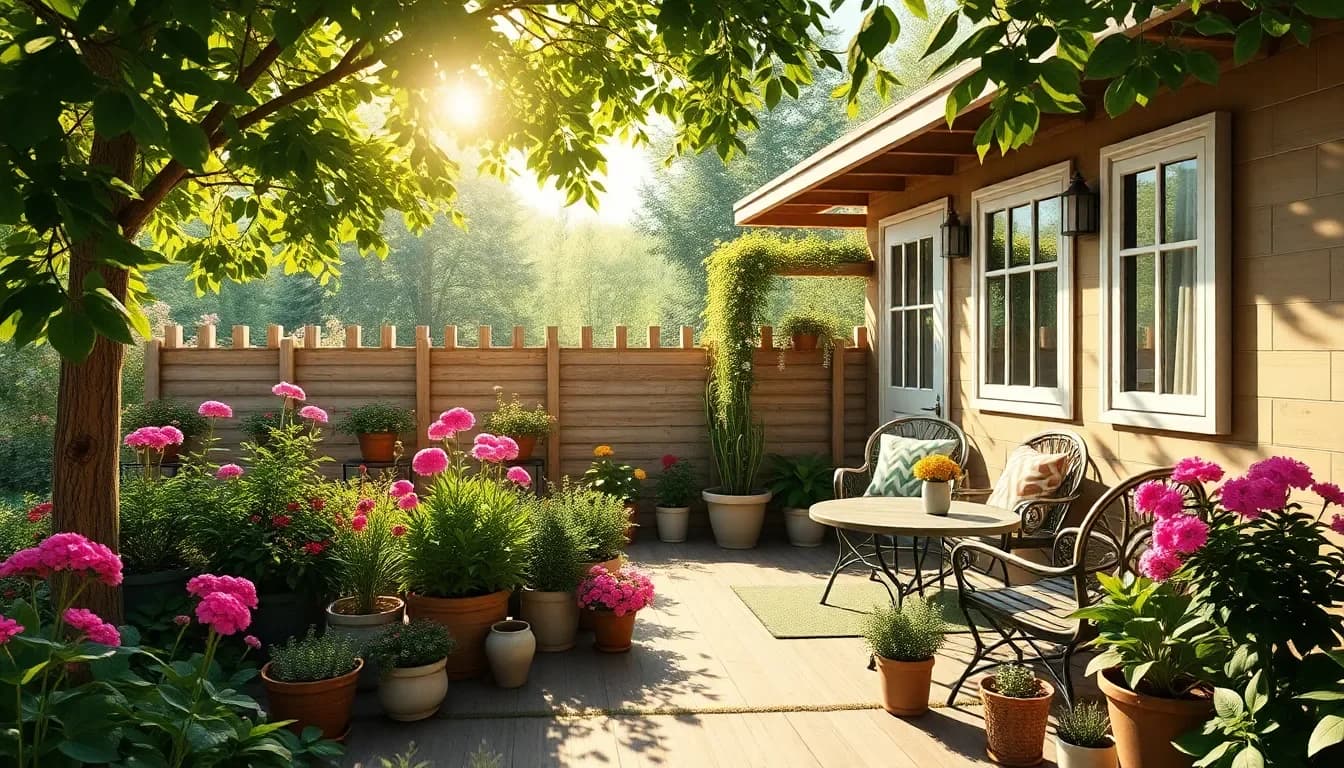
Introduction to Home and Garden
Importance of Home and Garden
The concept of home transcends mere physical structure; it embodies comfort, safety, and personal expression. The garden, on the other hand, serves as a vital extension of this space, providing a sanctuary of nature amidst urbanization. Together, they contribute to our quality of life in multiple dimensions:
- Emotional Well-being:A well-maintained home and garden create a calming atmosphere that fosters relaxation and reduces stress.
- Social Engagement:These spaces provide venues for gatherings, enhancing relationships with family and friends.
- Environmental Impact:Gardens contribute to biodiversity and help improve air quality, making a significant difference in urban settings.
- Property Value:Attractive homes and gardens can substantially increase property value, making them a wise investment.
Trends in Home and Garden Design
Home and garden design is continually evolving, influenced by lifestyle changes, technological advancements, and sustainability concerns. Currently, some of the most notable trends include:
- Biophilic Design:Emphasizing natural elements, this trend integrates nature directly into homes, with large windows, indoor plants, and natural materials.
- Smart Homes:Incorporating technology for energy efficiency and convenience, smart homes are becoming increasingly popular with devices that control lighting, temperature, and security.
- Minimalism:A focus on decluttered, functional spaces that promote a sense of tranquility is driving minimalist design in both interiors and gardens.
- Sustainable Practices:Eco-friendly materials and practices, such as rainwater harvesting and native planting, are gaining traction as homeowners seek to reduce their environmental footprint.
Benefits of a Well-Maintained Space
Maintaining your home and garden goes beyond aesthetics; it holds numerous benefits:
- Health Benefits:Clean and organized spaces reduce allergens and promote better indoor air quality. Gardens provide fresh produce and encourage physical activity.
- Increased Productivity:A well-organized home office or study area fosters focus and efficiency, while a tranquil garden can serve as a mental break.
- Enhanced Curb Appeal:A well-kept exterior makes a strong first impression and can lead to quicker home sales or increased rental interest.
- Emotional Satisfaction:The pride of caring for and improving one’s space enriches personal fulfillment and happiness.
Home Improvement Ideas
DIY Projects for Beginners
Home improvement doesn't always require professional help. Many projects can be tackled by beginners with the right tools and guidance. Here are some accessible DIY ideas:
- Painting Walls:A fresh coat of paint can transform a room. Choose neutral tones for a timeless look or bold colors for a statement wall.
- Installing Shelves:Floating shelves can provide additional storage and display space in any room.
- Updating Fixtures:Swapping out old light fixtures or cabinet hardware can modernize a space without a full renovation.
- Garden Bed Creation:Build raised garden beds to enhance your gardening experience; they are easy to construct and can improve soil drainage.
Choosing the Right Materials
When embarking on home improvement projects, selecting the right materials is crucial for durability and aesthetics:
- Wood:Look for sustainably sourced lumber for furniture and structural projects. Hardwoods are great for longevity, while softwoods are lighter and easier to work with.
- Paint:Use low-VOC (Volatile Organic Compounds) paints to ensure better indoor air quality.
- Flooring:Consider durable materials like laminate or vinyl for high-traffic areas, while hardwood or tile can offer elegance in living spaces.
- Garden Supplies:Invest in high-quality soil, compost, and organic fertilizers to promote healthy plant growth.
Budgeting for Home Renovations
Effective budgeting is essential for successful home renovations. Here are some tips:
- Set a Realistic Budget:Assess your financial situation and determine how much you can comfortably spend.
- Prioritize Projects:Identify which improvements are most important to you, whether for functionality, aesthetics, or property value increase.
- Research Costs:Gather estimates for materials and labor to avoid any surprises. Websites and apps can help compare prices.
- Contingency Fund:Allocate an additional 10-20% of your budget for unexpected expenses that may arise during renovations.
Gardening Basics
Understanding Soil Types
Soil is the foundation of a successful garden. Understanding the different types of soil can help you choose the right plants and improve your garden's productivity:
- Sandy Soil:Drains quickly but lacks nutrients. Good for plants that thrive in well-drained conditions.
- Clay Soil:Retains moisture and is nutrient-rich but can become compacted. Amend with organic matter to improve drainage.
- Silty Soil:Smooth and holds moisture well, making it easy to work with and ideal for a wide variety of plants.
- Loamy Soil:A balanced mix of sand, silt, and clay; it's considered the best soil type for most gardening needs.
Essential Gardening Tools
A well-equipped gardener is a successful gardener. Here are some essential tools every gardener should have:
- Hand Trowel:Ideal for digging, planting, and transferring soil.
- Garden Fork:Great for turning and aerating soil.
- Pruning Shears:Necessary for trimming plants and maintaining their shape.
- Watering Can:Essential for providing adequate hydration, especially for potted plants.
- Gloves:Protect your hands while working in the garden.
Planting Seasons and Tips
Understanding when to plant can make a significant impact on your gardening success. Here are some tips on planting seasons:
- Spring:Ideal for most vegetables and flowers. Start seeds indoors for an early start.
- Summer:Perfect for warm-season crops such as tomatoes and peppers. Ensure consistent watering.
- Fall:A great time for planting perennials and preparing your garden for winter.
- Winter:While planting is limited, this is the time for planning and preparing for the upcoming planting seasons.
Indoor Plants and Decor
Benefits of Indoor Plants
Incorporating indoor plants into your home decor offers numerous benefits:
- Air Quality Improvement:Plants can filter toxins from the air, improving indoor air quality.
- Stress Reduction:Studies show that being around plants can reduce stress and promote a sense of well-being.
- Enhanced Aesthetics:Indoor plants add color and life to spaces, making them more inviting and lively.
- Humidity Control:Plants can increase humidity levels, which can be beneficial in dry indoor environments.
Best Indoor Plants for Beginners
If you're new to indoor gardening, start with these low-maintenance plants:
- Snake Plant:Tolerant of low light and requires minimal watering.
- Pothos:A hardy vine that can thrive in a variety of conditions.
- Spider Plant:Known for its air-purifying properties and ease of care.
- Aloe Vera:Requires little water and has healing properties for skin ailments.
Creative Ways to Decorate with Plants
Maximize the beauty of your indoor plants with these creative decorating ideas:
- Hanging Planters:Utilize vertical space by hanging plants from ceilings or walls.
- Bookshelf Displays:Combine books and plants to create a dynamic and visually appealing arrangement.
- Terrariums:Create miniature gardens in glass containers for a unique centerpiece.
- Plant Stands:Elevate your plants to create visual interest and showcase them at varying heights.
Outdoor Living Spaces
Designing Functional Patios
A well-designed patio extends your living space outdoors and serves as a gathering spot for family and friends. Consider these design elements:
- Space Planning:Consider the layout and size of furniture for optimal flow and usability.
- Materials:Use durable materials such as pavers, wood, or composite decking that can withstand the elements.
- Shade Options:Incorporate umbrellas, pergolas, or awnings to provide relief from the sun.
- Lighting:Use string lights, lanterns, or built-in lighting to create ambiance for evening gatherings.
Creating a Relaxing Garden Retreat
A garden retreat can serve as a peaceful escape from the hustle and bustle of daily life. Here are some ideas:
- Seating Areas:Add comfortable seating with cushions and throws to create inviting spaces.
- Water Features:Incorporate a fountain or pond for soothing sounds and a serene atmosphere.
- Pathways:Design winding pathways to encourage exploration and create a sense of discovery.
- Shade Gardens:Plant shade-loving plants under trees to create cool, quiet spots for relaxation.
Outdoor Furniture and Accessories
Choosing the right outdoor furniture and accessories can enhance your outdoor space:
- Durability:Select weather-resistant materials such as teak, aluminum, or resin for longevity.
- Comfort:Look for cushioned seating options that encourage leisurely relaxation.
- Functionality:Consider multi-functional furniture, such as storage benches or foldable tables, for versatility.
- Decorative Elements:Use outdoor rugs, cushions, and decorative lanterns to add personality and warmth to your space.