
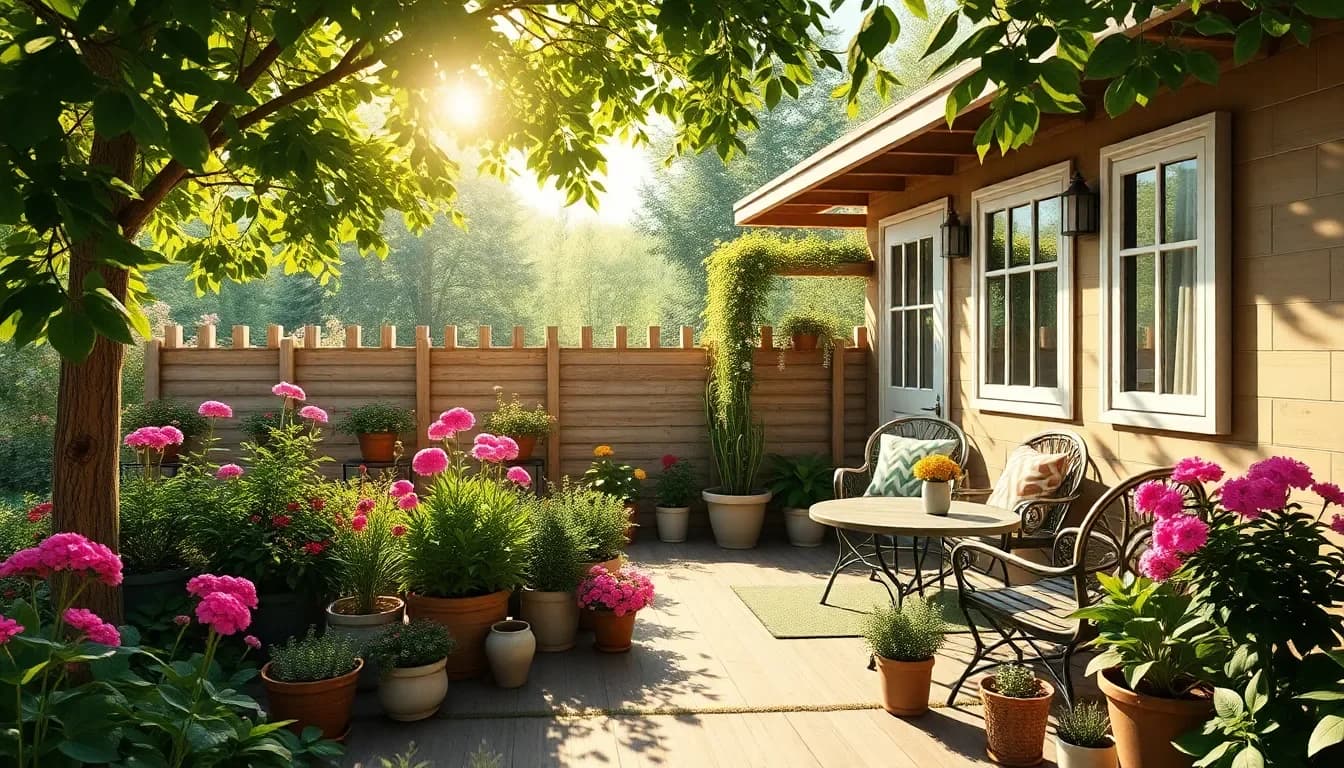
Introduction to Home and Garden
Overview of Home and Garden Trends
The home and garden sector is constantly evolving, influenced by societal changes, technological advancements, and shifting consumer preferences. Today, trends reflect a growing desire for sustainability, functionality, and personalized aesthetics. One of the key trends is the move towards creating multi-functional spaces, where rooms serve various purposes, and outdoor areas become extensions of our living environments. Minimalism and decluttering also dominate, emphasizing quality over quantity in home decor and garden design.
Importance of a Harmonious Living Space
A harmonious living space is essential for mental and emotional well-being. It fosters a sense of peace and tranquility, allowing individuals to unwind and connect with their surroundings. The integration of natural elements, such as plants, natural light, and earthy colors, can significantly enhance the ambiance of a home. A well-arranged space not only boosts productivity but also encourages social interactions, making it crucial to design areas that promote comfort and connection.
Benefits of Gardening for Well-being
Gardening is not just a hobby; it is a therapeutic activity that offers numerous mental and physical health benefits. Engaging with nature through gardening can reduce stress, enhance mood, and even improve cognitive function. Studies have shown that spending time in green spaces can lower levels of anxiety and depression. Furthermore, gardening encourages physical activity, whether it's digging, planting, or simply walking through a garden, contributing to overall fitness and well-being.
Home Decor Ideas
Choosing the Right Color Palette
Selecting a color palette is one of the most critical decisions in home decor. Colors can influence mood, perception of space, and even productivity levels. When choosing a palette, consider the following tips:
- Understand Color Psychology:Different colors evoke different emotions. For instance, blues and greens promote calmness, while yellows and reds can energize a space.
- Consider Lighting:Natural and artificial lighting can affect how colors appear. Test paint colors in various lighting conditions before making a final decision.
- Balance and Harmony:Aim for a balance between bold and neutral colors. A harmonious palette can be achieved by using three primary colors—one dominant, one secondary, and an accent color.
Incorporating Sustainable Materials
Sustainability in home decor is a growing trend, as more homeowners seek to minimize their environmental impact. Here are some ways to incorporate sustainable materials into your decor:
- Reclaimed Wood:Use reclaimed wood for furniture and flooring. It adds character and reduces the demand for new lumber.
- Bamboo:This fast-growing plant is a sustainable alternative for flooring, furniture, and decor items.
- Natural Fabrics:Opt for linens, cottons, and wool made from organic or recycled materials for upholstery and curtains.
Accessorizing with Personal Touches
Accessories bring personality to a home. They allow for creativity and self-expression. Here are some tips for accessorizing effectively:
- Art and Photography:Personal photographs and artwork can make a space feel uniquely yours. Consider creating a gallery wall with a mix of frames and styles.
- Personal Collections:Displaying collections, whether it's vintage books, travel souvenirs, or ceramics, can add depth and interest to your decor.
- Textiles:Incorporate cushions, throws, and rugs that reflect your style. These can easily be changed seasonally for a fresh look.
Outdoor Living Spaces
Designing a Functional Patio
A well-designed patio extends your living space outdoors, making it perfect for entertaining or relaxing. Here are some key considerations when designing your patio:
- Layout:Create zones for different activities, such as dining, lounging, and cooking. Use furniture arrangements to define these areas.
- Material Selection:Choose durable and weather-resistant materials for furniture and flooring. Options include composite decking, stone, and treated wood.
- Incorporate Shade:Consider adding a pergola, awning, or large umbrellas to provide shade and comfort during hot days.
Creating a Cozy Fire Pit Area
A fire pit area can serve as a focal point for gatherings and provide warmth on chilly evenings. Here’s how to create a cozy fire pit space:
- Choosing the Right Location:Ensure the fire pit is positioned safely away from structures and overhanging branches.
- Seating Arrangements:Incorporate comfortable seating with outdoor cushions for added comfort. Consider using benches or an arrangement of chairs around the fire pit.
- Lighting:Soft outdoor lighting can enhance the ambiance. Use string lights, lanterns, or solar-powered garden lights to create a warm atmosphere.
Landscaping for Curb Appeal
Landscaping plays a crucial role in enhancing your home’s curb appeal. Here are some effective strategies to boost your home’s exterior:
- Plant Selection:Choose a mix of perennials, annuals, and shrubs that bloom at different times to maintain year-round interest.
- Pathways and Borders:Create defined pathways using stones, bricks, or mulch to guide visitors and enhance accessibility.
- Maintenance:Regularly trim hedges, mow the lawn, and remove weeds to keep your landscape looking its best.
Gardening Tips and Techniques
Understanding Soil Types and Preparation
Healthy soil is the foundation of a successful garden. Understanding different soil types and how to prepare them is essential:
- Sandy Soil:Drains quickly and is low in nutrients. Improve it by adding organic matter like compost.
- Clay Soil:Retains moisture but can become compacted. Mix in sand and organic matter to improve drainage and aeration.
- Silty Soil:Rich in nutrients and retains moisture well. Ensure proper drainage to prevent waterlogging.
Seasonal Planting Guides
Timing your planting according to the seasons can maximize your garden’s yield. Here’s a basic guide:
- Spring:Ideal for planting vegetables like peas, carrots, and lettuce. Flowers like pansies and daffodils thrive in this season.
- Summer:Great for heat-loving plants such as tomatoes, peppers, and basil. Deadhead flowering plants to encourage blooming.
- Fall:Time to plant bulbs for spring blooms and hardy vegetables like kale and Brussels sprouts.
- Winter:Focus on indoor gardening. Herbs and certain houseplants can thrive indoors during colder months.
Organic Pest Control Methods
Maintaining a healthy garden requires effective pest management. Here are some organic methods to consider:
- Companion Planting:Certain plants can deter pests. For example, marigolds repel nematodes and aphids.
- Neem Oil:This natural pesticide can effectively control a variety of pests while being safe for beneficial insects.
- Handpicking:For small infestations, handpicking pests like caterpillars or beetles can be effective.
Maintaining Your Home and Garden
Essential Maintenance Checklists
Regular maintenance is key to keeping your home and garden in top shape. Here’s a checklist to follow:
- Monthly:<ul> <li>Inspect and clean gutters and downspouts.
- Check for signs of pests inside and outside the house.
- Test smoke and carbon monoxide detectors.
Seasonally:
- Service HVAC systems and replace filters.
- Inspect your roof for damage or wear.
- Prepare your garden for the upcoming season by clearing debris and mulching.
Seasonal Care for Plants
Each season brings unique challenges and opportunities for plant care. Here’s how to care for your plants throughout the year:
- Spring:Fertilize and prune plants to encourage growth. Monitor for pests as new growth appears.
- Summer:Water regularly, especially during hot spells. Mulch to retain moisture and suppress weeds.
- Fall:Prepare for dormancy by cutting back perennials and adding organic matter to the soil.
- Winter:Protect sensitive plants with mulch or coverings and ensure adequate drainage to prevent root rot.
Tools and Equipment for Efficiency
Utilizing the right tools can make gardening and home maintenance more efficient and enjoyable. Here’s a list of essential tools:
- Hand Tools:Invest in high-quality hand tools like trowels, pruners, and weeding forks for precision work.
- Power Tools:Consider power tools like a string trimmer or leaf blower to save time on larger tasks.
- Gardening Gloves:Protect your hands with sturdy gloves to avoid blisters and cuts.
- Quality Hose and Watering Can:Ensure you have a reliable watering system for your plants.